
Beckham County Arrest Warrants Explained
Oklahoma sets out its arrest-warrant process in Title 22 §§ 22-171 through 22-174. First comes a verified complaint on oath or affirmation. It must satisfy the magistrate that an offense occurred and that reasonable ground exists to believe this defendant committed it. The warrant names the defendant or an unknown designation. It also states the offense, the issue time and place, the county or city, bail when bailable, and the magistrate's signature. That pattern explains a Beckham County record. It creates no public online inventory, and a name-only match still needs identity and court confirmation.
Reading a Beckham County Arrest Warrant
Read the warrant by its fields, not by guesswork. The statutory form and Beckham County's local municipal materials give a field-by-field guide: court, case, offense, issue details, bail, and the officer's direction. Ask the Court Clerk which later event controls.
| Defendant | Name or unknown designation used by the issuing process. |
|---|---|
| Offense | The charge stated in the complaint or municipal process. |
| Issuing place | County, city, or town connected to the court. |
| Bail | The amount or endorsement when the offense is bailable. |
| Issuing officer | Judge or magistrate signature and issue information. |
| Direction | The peace officer or agency to whom the warrant is directed. |
Use the exact document or the official docket entry. Never build a sample warrant from a real Beckham County person's details.
Oklahoma's Sworn-Complaint Threshold
A sworn complaint and magistrate review sit behind every District Court arrest warrant in Beckham County. Title 22 § 22-171 supplies the reasonable-ground standard. Sections 22-172 and 22-173 cover the form and required details. Sections 22-174 and 22-175 govern direction to peace officers and service. Those rules make the Court Clerk and the issuing judge matter most. The sheriff serves the process. Beckham County's own county page publishes no warrant list or arrest-warrant search.
How Beckham County Arrest Warrants Are Served
The Beckham County sheriff serves warrants and other District Court process. The office also runs the county jail. A warrant may sit with the issuing court, be directed to a peace officer, come back after service, or show up as a public docket event. Service can cross county lines under Title 22. For a service or jail question, call the sheriff at 580-928-2121. For the case, the issuing judge, bond, or current docket, call the Court Clerk at 580-928-3330. The official county landing page ties these local routes together. It links the court and sheriff, not a roster.
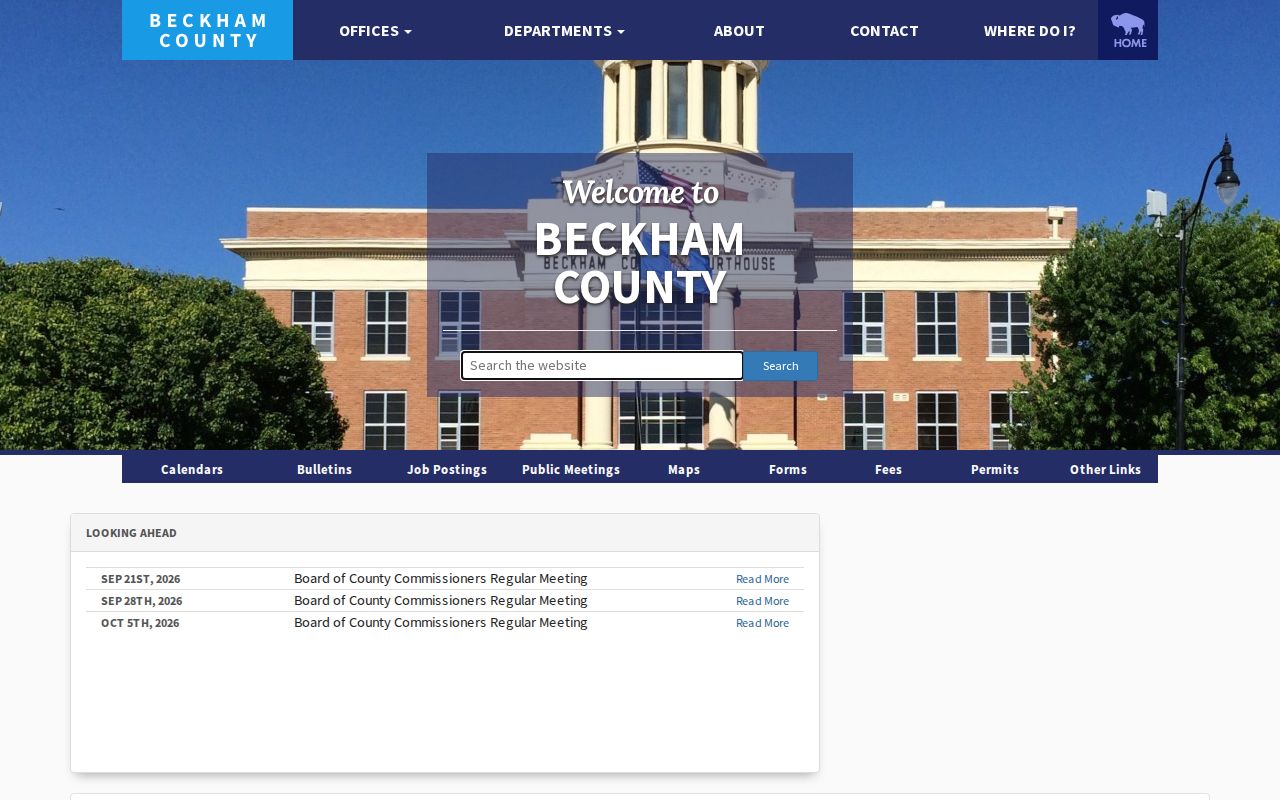
Keep execution questions and court-status questions separate.
A Name Match Is Not Identity Proof
A name match can point at the wrong person. Check the Beckham County court, the case type, the year, and any birth-date details the office will share. Confirm the facts yourself. Never republish addresses, birth dates, physical descriptions, photographs, or Social Security numbers.
Check the source: an online event, OSBI result, or curated list is not a current arrest-warrant certificate.
OSBI CHIRP is a criminal-history request route. Its non-reportable categories explain why some Beckham County traffic, parking, bond, and failure-to-pay matters never appear there.
Arrest Warrant Versus Search Warrant
An arrest warrant authorizes taking a named person into custody under Title 22. A search warrant is different. It authorizes a search and has separate rules. A search warrant on a Beckham County property does not mean the person there faces an arrest warrant.
| Point | Arrest warrant | Search warrant |
|---|---|---|
| Object | Person named in the process. | Place, person, or property to be searched. |
| Record fields | Defendant, offense, issue details, bail, officer direction. | Search authority, return, inventory, and time rules. |
| Beckham check | Court docket and clerk confirmation. | Issuing court and lawful return record. |
Keep these warrant types separate when asking a clerk what a docket entry means.
Elk City Complaint-to-Warrant Route
Elk City Code Chapter 13 shows one local route, not a template for every town. It starts with a complaint, and a summons usually follows. Miss the required appearance or answer, and a warrant can issue after the city attorney or judge approves it. The Chief of Police receives municipal process. The City Clerk or a deputy serves as municipal court clerk. Elk City's Municipal Court page lists Thursday arraignment settings for adults and juveniles and posts a weekly outstanding-list notice. Confirm a municipal warrant by calling the court. OSCN's District Court search does not replace the city court. Other Beckham County towns differ. Sayre, Erick, Carter, and Texola each keep their own contact facts and gaps, so ask each city office for its current process.
Arrest Warrant Versus Summons and Bench Warrant
A summons asks you to appear. A bench warrant follows a missed court date. An arrest warrant comes from the sworn-complaint process in Beckham County. One person can meet more than one type at different stages.
| Process | Typical local source | Question to ask |
|---|---|---|
| Summons | Municipal court or District Court notice. | When and where must the person appear? |
| Bench warrant | Issuing court after missed attendance. | Is bond or a new setting required? |
| Arrest warrant | Magistrate on verified complaint. | Which court issued it and how is it served? |
The label guides the next question. It does not, by itself, resolve the case.
OSBI History Is Not a Warrant Check
OSBI's Criminal History Reporting Unit and CHIRP handle name-based or fingerprint criminal-history requests. That service is not a live county warrant database. Some matters never enter it. Non-reportable items can be missing, and a current warrant may sit with a Beckham County city or court that feeds nothing to a criminal-history result. The official OSBI CHIRP information explains its own service and fees. For a warrant, ask the court or sheriff directly.
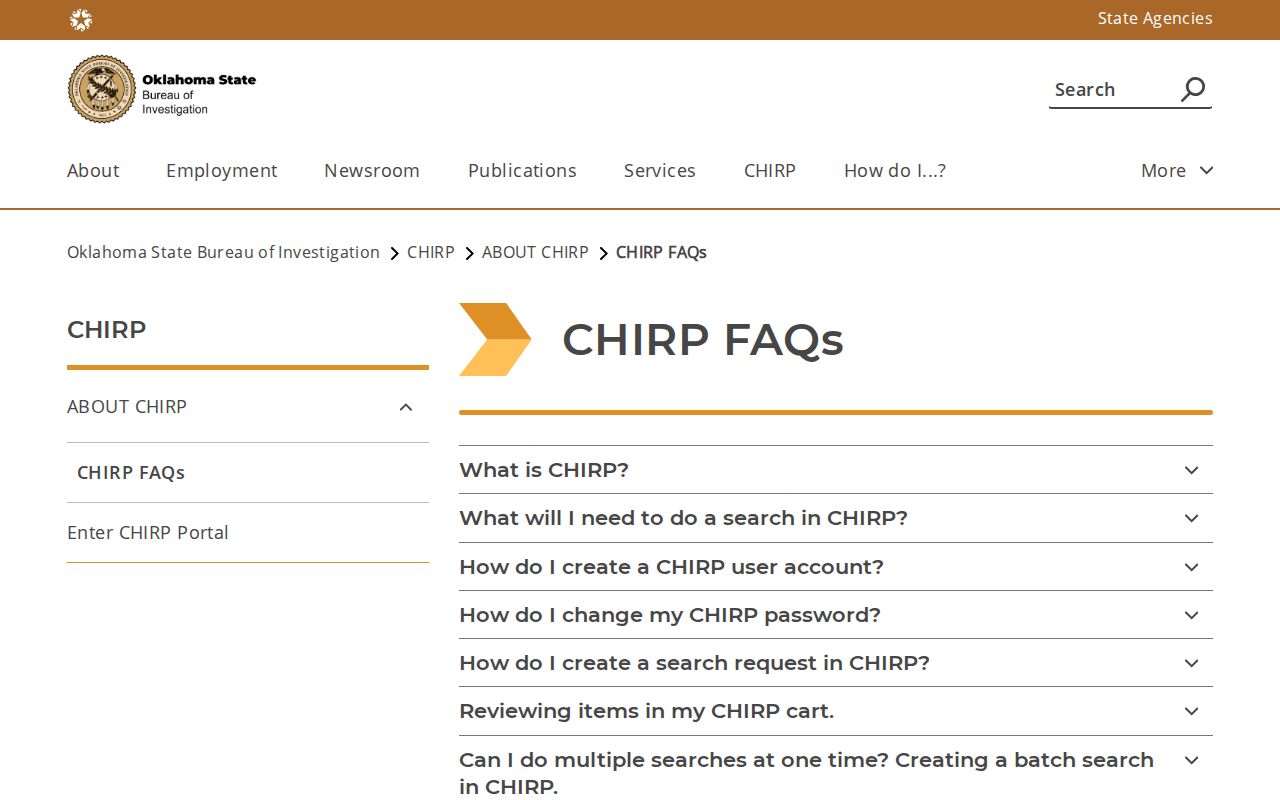
A criminal-history search and a warrant-status call answer different questions.
What to Ask About a Beckham Arrest Warrant
Search OSCN by case number or party first. Then call the Beckham County Court Clerk. Ask whether an arrest warrant is current and which judge issued it. Ask whether the offense is bailable, the amount and conditions, whether counsel can appear, and how a recall or surrender works. Beckham County publishes no universal walk-in policy.
- Write down the case number and the office that confirmed it.
- Ask what document or docket entry controls the status.
- Confirm the correct building, time, identification, and custody expectations.
- Ask how bond, motion, or attorney appearance changes the next step.
- Keep proof of any payment, order, surrender, or recall.
For a serious or contested matter, contact an Oklahoma attorney before acting.
Federal Arrest Warrants Use Another Court
Beckham County sits inside the Western District of Oklahoma, so federal arrest warrants there follow a different track. Sealed indictments and federal enforcement never show up in OSCN. For public federal case records, PACER is the tool. You can also call the federal clerk or talk with counsel about a federal warrant question. The county sheriff sometimes serves federal process locally, yet the federal court alone keeps the federal record. A blank state-court search is not a federal clearance, so keep state, municipal, and federal questions apart.
What to Do If a Warrant Is for You
Verify the warrant with the current source first. Then pick the remedy that fits: an attorney, a voluntary appearance, bond, or a motion to recall or quash. Paying what you owe may not end an arrest warrant by itself. The issuing court in Beckham County can explain the authorized route, and the sheriff can answer service or custody questions.
Before going anywhere: verify the correct court, building, time, and custody expectations with the clerk or counsel.
Once you act, ask Beckham County for the effective date and the record showing recall, return, bond, or a new setting. Skip old lists and third-party sites; they prove nothing.